The opportunity
Fifteen stages, five phases
From investment to operating village.
Retirement villages are long-term investments, and the length of the commitment is the first thing anyone asks about. Here is the whole sequence, from bare land through to a village that runs, and what happens to your capital at every step of it.
Fifteen stages, grouped into five phases. At each stage you can see four things: what we are doing, what you are deciding, where the capital sits, and what you receive. Investors come in at stage 04, and from there it is a 10+ year commitment.
Phase one
Stages 01 to 03
Finding the right opportunity
The first three stages are ours. We find the land, prove the demand and secure the site. Only the opportunities that stand up to this process are taken forward.
Capital. Carried by HPA, or by the landowner. There is no investor money in a project at this point.
What we are doing
Directors walk the land, read the district plan, and test the site against how a village actually has to work.
What you are deciding
Nothing yet. Investors are not approached at this stage.
Where the capital sits
Ours, or a landowner’s. Entirely at our risk.
What you receive
Nothing yet. What this stage produces is the market case you read much later.
What we are doing
We work through local demographics, existing supply, price expectations, and whether the town needs care alongside the village, at what level and at what cost.
What you are deciding
Nothing yet. This is feasibility, and it is ours to fund.
Where the capital sits
Still ours. Feasibility is a cost we absorb on every site we look at.
What you receive
Nothing yet. Sites that do not pass this test do not become projects.
What we are doing
We secure the land, set the layout and the mix of homes, and reserve the right position for care from the beginning rather than finding room for it later.
What you are deciding
If the land is yours, this is where land-in, equity-out is agreed. Your land becomes your stake rather than a sale.
Where the capital sits
Land is funded by equity, by HPA, or by a landowner’s contribution. Not by debt, and not by an investor raise.
What you receive
Landowners receive terms and a position in the project. Other investors are not involved yet.
Phase two
Stages 04 to 05
From opportunity to investment
Investors are asked in once the site is secured and the project has been shaped, and before it goes through consent.
Capital. This is where investor equity enters. It strengthens the project ahead of construction rather than buying land the project already holds.
What we are doing
We prepare the memorandum: site, masterplan, market case, consent status, valuation, cost, structure, funding path and risks.
What you are deciding
Whether to invest, at what level, and on what terms. This is the decision the rest of the page leads to.
Where the capital sits
Nothing has been called from you. The raise is being structured and the funding path is set.
What you receive
The memorandum itself, once you qualify as a wholesale or eligible investor under the Financial Markets Conduct Act.
What we are doing
We settle the partnership, the governance and the reporting, and take our own equity position alongside yours.
What you are deciding
Who you are investing beside, and how decisions get made. Fewer investors is what keeps that clean.
Where the capital sits
Equity is committed and drawn against the agreed structure.
What you receive
Partnership documents, your position on the cap table, and a board that meets on a set rhythm.
Phase three
Stages 06 to 09
Your equity goes to work.
The equity is committed, and it goes to work proving two separate things: that the village can be built, and that it will be allowed to operate. Between them, the project raises the development debt that funds the build.
Capital. Deployed. For suitable investors with active income this is the early tax loss period, not a distribution period.
What we are doing
We take the project through resource consent, progress detailed engineering, and finalise the plans with council and with our own construction team.
What you are deciding
Nothing. This is the longest stage in the sequence and the one that most often changes a project’s shape.
Where the capital sits
The limited partnership pays for consenting, where it is required. Consenting is expensive, and by this point it is being paid for out of committed equity.
What you receive
Reporting through the consent process. This is the largest single piece of risk in the project, and your equity is committed while it is being taken.
Planning approval is only part of the hurdle. Before a retirement village can operate and take its first resident, it has to satisfy a separate regulatory framework under the Retirement Villages Act, covering how the village is structured, its financial position, the capability of the operator, and independent statutory supervision.
For an investor, that is not red tape. It is another layer of due diligence on the project, run by parties who answer to residents rather than to us.
What we are doing
Registering the village, appointing a statutory supervisor, and putting the governance and disclosure documents in place.
What you are deciding
Nothing to decide, and plenty to read. The supervisor’s role and your reporting are set out in the memorandum.
Where the capital sits
No new capital is called. The cost of getting through sits inside the project.
What you receive
A project that is legally able to operate, with an independent supervisor in place on residents’ behalf.
What we are doing
We put the equity to work, arrange the development funding against a consented project, and set the funding structure for the build.
What you are deciding
Nothing. This is the work the equity was raised to do, and it is set out before you commit.
Where the capital sits
Development debt is drawn against a consented, equity-backed project. Your equity is what makes that funding available on good terms.
What you receive
A funded project going into construction, and the start of regular reporting.
What we are doing
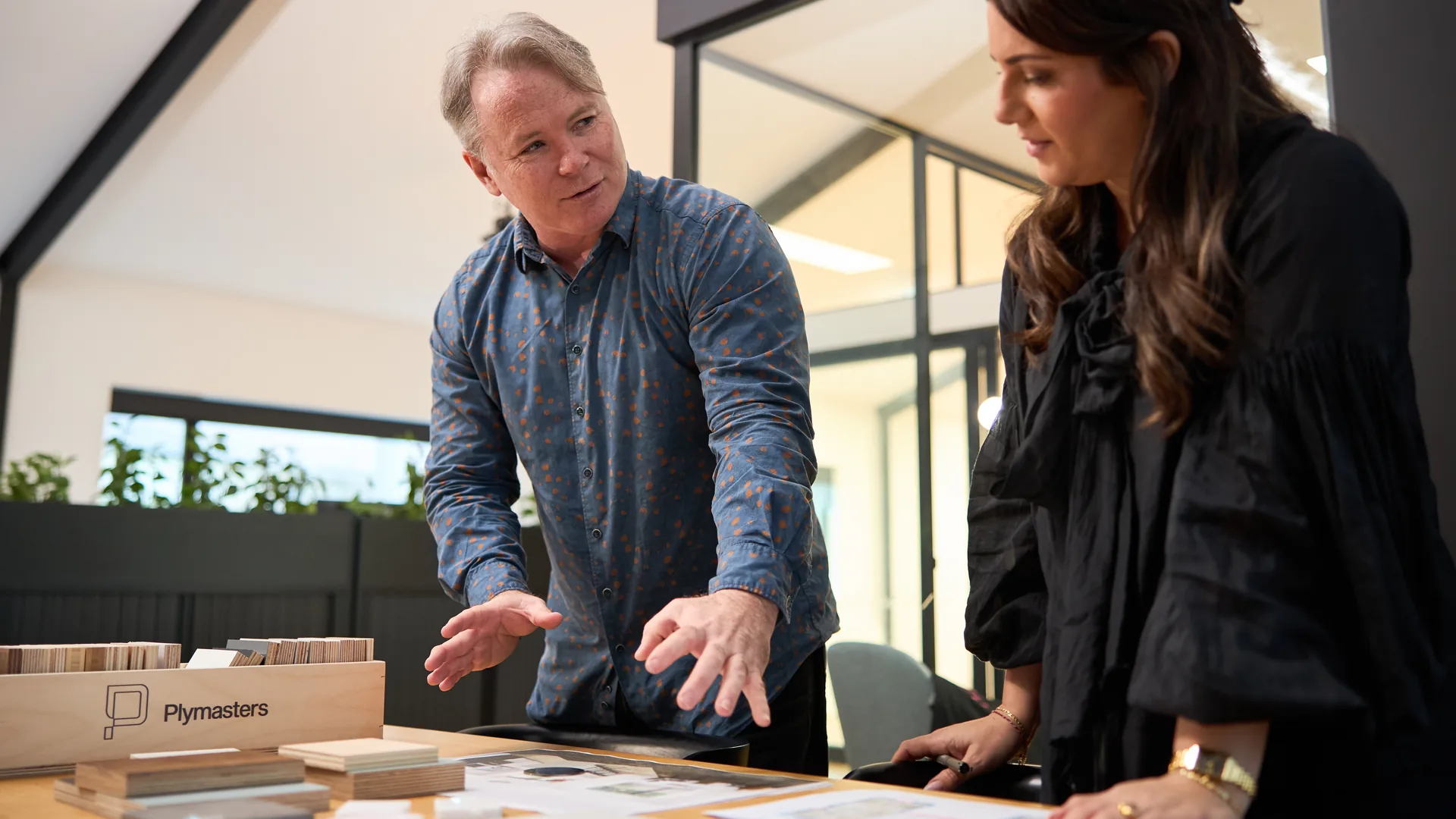
Our own civils, construction and electrical teams start on site. Earthworks and services, then the first stage of villas.
What you are deciding
Nothing routine. Anything material comes to the board you sit on.
Where the capital sits
Construction draws on project debt against progress, with your equity sitting underneath it.
What you receive
Reporting on programme and cost against budget, and a village you can walk through while it goes up.
Phase four
Stages 10 to 12
First residents arrive.
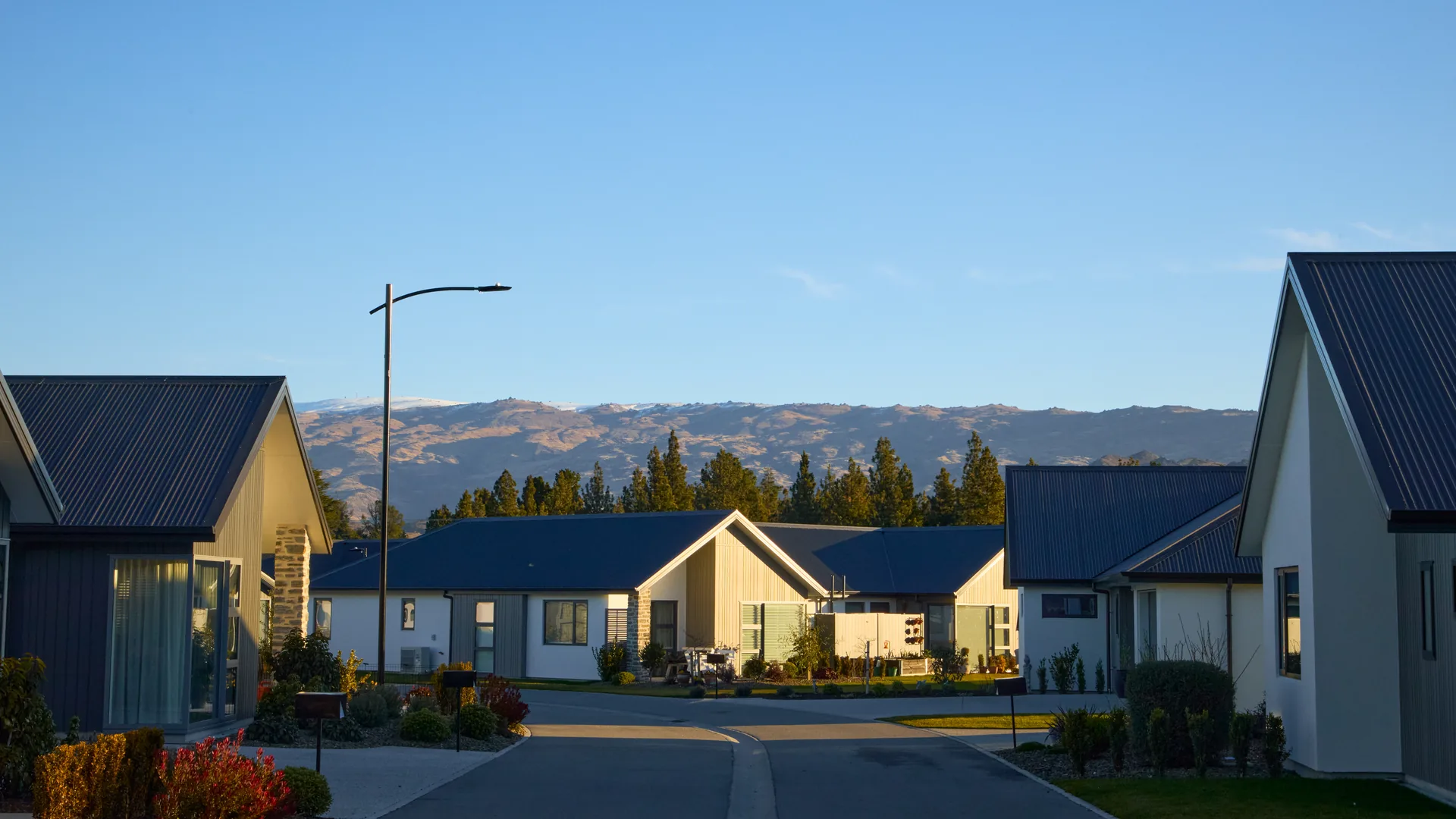
The first villas are completed and the first residents move in. From here, the village grows in stages: build, sell, welcome residents, then repeat. As more villas are completed and occupied, debt reduces and the project moves toward positive cash flow. At the same time, village operations grow and the community starts to take shape.
Capital. Resident receipts repay development debt. That is the project paying itself down, not the project paying you.
What we are doing
We finish the first stage, open the village centre, and settle the first residents with construction still going on around them.
What you are deciding
Nothing. Sales and operations are ours to run, and we run them.
Where the capital sits
The first occupation payments arrive under Occupation Right Agreements.
What you receive
Occupancy and sales velocity in your reporting. These are the two numbers worth watching.
What we are doing
We build the next stage to demand and operate the village at the same time. The same directors are on site regularly.
What you are deciding
Whether to support a change of pace or scope. Villages respond to their own market, and some move faster than the plan.
Where the capital sits
Receipts from settled homes recycle into the next stage and repay development debt.
What you receive
A shrinking debt position, and either a waiting list or the honest reason there is not one.
What we are doing
We manage the crossover from a project that consumes cash to one that produces it, and keep delivering the remaining stages.
What you are deciding
Nothing structural. The board reviews when distributions can responsibly begin.
Where the capital sits
Debt reduces. The project stops needing to be fed.
What you receive
Usually still not distributions. The crossing point and the first payment are rarely the same date.
Phase five
Stages 13 to 15
Development profit.
The development is complete, care is delivered and the development profit is realised. From here, the village shifts from a development project into a long-term operating asset, generating ongoing income while HPA remains involved in the community for the years ahead.
Capital. Distributions can begin, subject to obligations to lenders and residents and to statutory supervisor approval. Resales become the recurring engine.
What we are doing
We complete the final stage, close out the build, and move the village fully into operation.
What you are deciding
With the board, how development profit is applied: distribution, the care building, or reinvestment.
Where the capital sits
Development profit is realised. Obligations to lenders and residents are met first.
What you receive
The point at which distributions become possible. Timing varies by project and is never promised.
What we are doing
We build care on the position reserved at masterplanning, at the level the market case identified back at stage 02.
What you are deciding
How the care build is funded, alongside the board.
Where the capital sits
Funded in part from development profit. We plan for continuity of care from the beginning, and we do not carry the full cost of delivering it from day one.
What you receive
Continuity of care for residents who need it, and a second income stream inside the village.
What we are doing
We keep operating the village. HPA holds equity throughout, so we are still in it beside you.
What you are deciding
Whether to hold or to realise. What you hold is an interest in an operating business, not a building site.
Where the capital sits
Working. The value sits in the land, the homes and the operating business.
What you receive
Annuity returns through occupation, recurring income as homes resell, and accumulated asset value.
The return line
What reaches you, and when
How capital flows.
Money moves through a village project in several distinct ways, and only some of them reach an investor. Calling all of it “return” would be misleading, so here it is named piece by piece.
01
Capital invested
02
Tax position
03
First sales
04
Debt reduction
05
Positive project cash flow
06
Development profit
07
Distributions
08
Recurring resale income
- A
Early years
Capital goes to work. Cash distributions are not the expectation. For suitable investors with active income, the partnership structure can pass through early tax losses.
- B
Development years
Villas sell and residents move in. Receipts repay development debt, and the project’s debt position changes as the village grows. Each completed stage adds to what the village is worth, so value accrues through the build rather than arriving at the end. None of it is realised until exit.
- C
Maturity
The project crosses into profit and distributions can begin. Timing varies by project, and we would rather say that than pick a year.
- D
Long term
A tangible operating asset producing annuity returns, with accumulated asset value behind it.
The memorandum
Five questions it answers
Invest in an upcoming project.
This page is the sequence. The memorandum covers these things for the project itself.
- 01
What are we building?
The site, the location, the size of the village, the masterplan, and the care that goes with it.
- 02
Why here?
Demand, demographics, the gap in local supply, and what the town’s own market is telling us.
- 03
What does it cost?
Land, development cost, and the equity and debt the project needs to get built.
- 04
How do I make money?
The early tax position, the development economics, when distributions can begin, annuity returns, asset value and the ways out.
- 05
What could go wrong?
Consenting, statutory supervision, construction cost, sales velocity, care economics, funding and regulatory change. Set out plainly, because you will find them anyway.
The sequence is public. The numbers are not.
Structures, ticket sizes, timing and return modelling sit in the Information Memorandum, which we release to investors who qualify as wholesale or eligible investors under the Financial Markets Conduct Act.